Drug Free Chronic Pain Relief Options
Chronic pain affects a significant portion of the population, often diminishing quality of life and creating ongoing challenges for sufferers. Recent studies, including a comprehensive review published in BMJ Open, estimate that 43% of the UK population—equivalent to nearly 28 million people—experience chronic pain. This widespread prevalence highlights the urgent need for effective solutions. If you are among those affected, know that you are not alone in this journey.
One of the most pressing hurdles for chronic pain sufferers is finding sustainable relief options. While traditional painkiller medications provide temporary respite, they often fail to address the root causes and come with potential drawbacks like dependency and side effects. As a result, many individuals are turning to drug-free alternatives that offer holistic and long-term benefits.
This article explores a range of drug-free methods for managing chronic pain, including holistic therapies such as acupuncture and massage, practical approaches like exercise and mindfulness, and advanced medical interventions like neuromodulation. The discussion culminates in an in-depth examination of the revolutionary Diros OWL RF Lesion Generator, a cutting-edge solution at the forefront of pain management technology. Together, these approaches aim to empower chronic pain sufferers with the knowledge and tools to reclaim their well-being.
Understanding Chronic Pain: Causes and Challenges
Chronic pain is defined as pain that persists for 12 weeks or more, often beyond the typical healing period for an injury or condition. The human body perceives pain as a complex process involving the nervous system. When an injury or condition occurs, pain signals are transmitted through nerve fibres to the spinal cord and then to the brain, where they are interpreted as discomfort. However, in chronic pain, these signals persist even after the original cause has healed, or they may occur without an identifiable source.
Common Causes of Chronic Pain
- Injuries: Pain that lingers after fractures, sprains, or surgeries can lead to chronic issues, particularly if the healing process is incomplete or if nerve damage has occurred.
- Medical Conditions: Chronic conditions like arthritis, fibromyalgia, and neuropathy often result in ongoing pain due to inflammation, nerve sensitivity, or muscle tension.
- Nerve Damage: Trauma or conditions like diabetes can lead to neuropathic pain, where damaged nerves send persistent or exaggerated pain signals.
- Unknown Causes: In some cases, the origin of chronic pain remains unclear, complicating diagnosis and treatment. Conditions like central sensitisation syndrome involve heightened sensitivity to pain signals without a clear physical cause.
The Broader Impact of Chronic Pain
Chronic pain doesn’t just affect physical health; it has significant psychological and emotional consequences. The body’s ongoing pain signals can trigger stress responses, affecting sleep patterns, increasing fatigue, and reducing overall quality of life. These challenges often lead to secondary conditions such as:
- Depression and Anxiety: Persistent discomfort can erode mental resilience, leading to feelings of helplessness or sadness.
- Insomnia: Pain often disrupts sleep cycles, further exacerbating fatigue and emotional stress.
- Social Isolation: Chronic pain sufferers may withdraw from social activities due to mobility issues or fear of exacerbating their pain.
General Drug-Free Methods for Chronic Pain Relief
Managing chronic pain without the use of pharmaceuticals involves a diverse array of approaches that focus on addressing both the physical and psychological aspects of discomfort. These methods are designed to provide relief by targeting the root causes of pain, improving overall well-being, and empowering individuals with practical, long-term solutions. From ancient practices like acupuncture to modern technologies such as TENS machines, these strategies cater to a wide range of needs and preferences. Below, we explore some of the most widely recognised and effective non-pharmaceutical approaches for chronic pain management.

Acupuncture
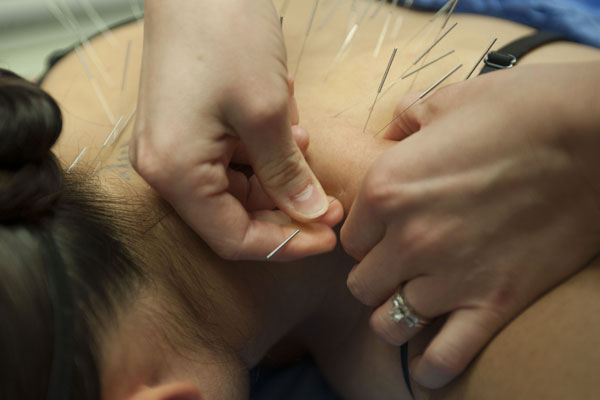
Acupuncture, an ancient Chinese practice, involves the insertion of thin needles into specific points on the body to stimulate the nervous system. This therapy has shown promise in reducing chronic pain by releasing endorphins, the body’s natural pain-relieving chemicals, and promoting relaxation.

Holistic Therapy
Holistic therapies like massage, aromatherapy, and reflexology provide physical and psychological benefits. They can help alleviate pain, reduce stress, and improve overall well-being. These therapies are particularly effective in addressing the emotional toll that chronic pain often takes on sufferers.

Exercise
Gentle stretching and low-impact exercises, such as yoga, Pilates, or swimming, can strengthen muscles, improve flexibility, and reduce pain levels. Exercise also promotes the release of endorphins and enhances blood flow, which can help alleviate discomfort.

Mindfulness
Mindfulness practices, including meditation and breathing exercises, have been shown to help manage chronic pain by shifting focus away from discomfort and reducing stress. Cognitive behavioural therapy (CBT) is another effective tool for reframing negative thoughts related to pain.

Drug-Free Gels
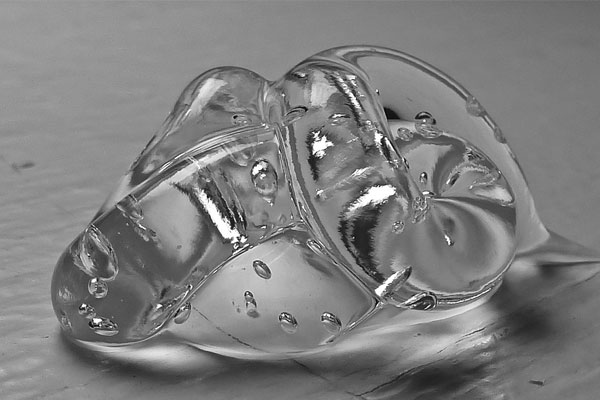
Natural, drug-free gels made from ingredients like menthol, capsaicin, or arnica can provide localised pain relief. These are applied directly to the skin and are a convenient option for managing mild to moderate pain.

TENS Machines
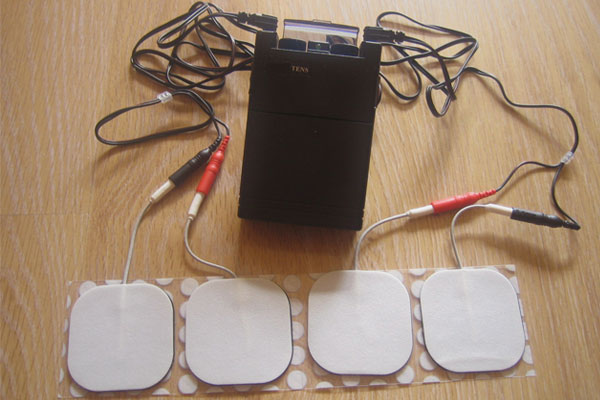
Transcutaneous Electrical Nerve Stimulation (TENS) machines deliver low-voltage electrical currents through electrodes placed on the skin. This stimulation helps disrupt pain signals and provides temporary relief for conditions such as arthritis, back pain, and fibromyalgia.
Neuromodulation Technology: A Long-Term Solution
Neuromodulation is an innovative and highly effective method for managing chronic pain. This technique uses electrical or magnetic stimulation to target specific areas of the nervous system, interrupting pain signals before they reach the brain. Neuromodulation is particularly beneficial for individuals seeking a long-term, drug-free solution.
How Neuromodulation Works
Neuromodulation devices deliver precise electrical impulses to nerves associated with chronic pain. These impulses block or alter pain signals, providing significant relief. Unlike traditional pain management methods, neuromodulation is minimally invasive and does not involve ongoing medication use.
Types of Neuromodulation Therapies
There are several forms of neuromodulation, including:
- Spinal Cord Stimulation (SCS): Involves implanting a small device near the spinal cord to emit electrical signals that interrupt pain messages.
- Peripheral Nerve Stimulation (PNS): Targets specific peripheral nerves causing pain.
- Deep Brain Stimulation (DBS): Used in severe cases, this method delivers electrical impulses directly to areas of the brain responsible for pain perception.
Spotlight on the Diros OWL RF Lesion Generator
Among the most advanced neuromodulation technologies available is the Diros OWL RF Lesion Generator, a groundbreaking tool designed for precise and effective pain management.
What Is the Diros OWL RF Lesion Generator?
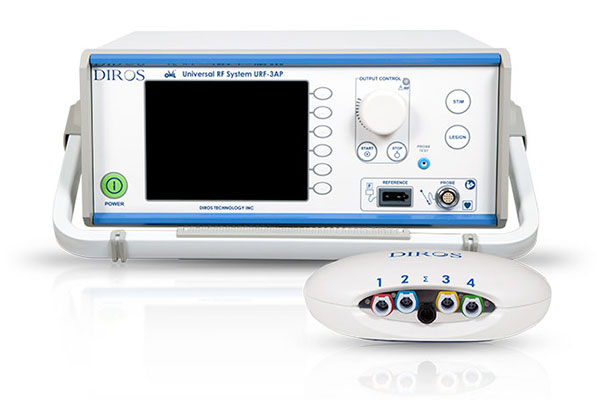
The Diros OWL RF Lesion Generator is an innovative device that uses radiofrequency (RF) technology to create lesions in targeted nerve areas. By disrupting the transmission of pain signals to the brain, the device provides long-lasting relief for chronic pain sufferers.
How It Works
The OWL RF Lesion Generator connects to up to four RF probes, which are carefully inserted into the targeted nerve area by a medical professional. The device then delivers a continuous pulse of radiofrequency energy to create a small lesion in the nerve tissue. This lesion interrupts the pain signals being sent to the brain, effectively reducing or eliminating the perception of pain.
Benefits of the Diros OWL RF Lesion Generator
- Precision: Allows for accurate targeting of specific nerves associated with pain.
- Minimally Invasive: The procedure is safe and minimally invasive, with minimal recovery time.
- Long-Lasting Relief: Provides significant and sustainable pain relief for many patients.
- Customisable Treatments: Can accommodate multiple probes to address complex pain patterns.
- Applications of the Diros OWL RF Lesion Generator
The Diros OWL is particularly effective for managing conditions such as:
- Chronic back pain
- Neuropathic pain
- Arthritis-related discomfort
- Post-surgical pain
The Science Behind Radiofrequency Lesions
Radiofrequency involves the use of electrical current (produced by radio waves) to heat specific nerve tissues. This heat creates a lesion, effectively blocking pain signals while preserving other nerve functions, such as movement and sensation. This targeted approach ensures that pain relief is both effective and safe.
Availability and Access
This advanced neuromodulation technology is available through both NHS and private healthcare providers, making it accessible to a wide range of patients. Consulting with a pain management specialist can help determine if this treatment is suitable for your condition.
Exploring the Future of Chronic Pain Relief
The field of chronic pain management is continually evolving, with promising advancements on the horizon. Emerging technologies, such as virtual reality (VR) for pain distraction, biofeedback for stress reduction, and regenerative medicine techniques, are expanding the toolkit for drug-free pain relief. Integrating these innovative approaches with established therapies like the Diros OWL RF Lesion Generator ensures that patients have more options than ever for managing their pain.
Final Thoughts
Chronic pain can be debilitating, but drug-free options offer hope for sustainable relief without the risks associated with long-term medication use. From holistic therapies and exercise to cutting-edge technologies like the Diros OWL RF Lesion Generator, there are numerous avenues to explore for managing your pain effectively.
If you’re considering neuromodulation as a solution, the Diros OWL RF Lesion Generator stands out as a safe, precise, and highly effective option. Speak to your healthcare provider to learn more about how this technology could help you regain control of your life and move toward a pain-free future.
Disclaimer: This article is for informational purposes only and should not replace professional medical advice. Always consult with a healthcare provider for guidance tailored to your specific needs.