Radio-Frequency for Pain Management
Chronic pain is a debilitating issue for millions of people worldwide. It can stem from various underlying conditions such as arthritis, nerve damage, and degenerative joint diseases. Pain can manifest in the neck, the lower back, or the joints and muscles throughout the body. Living with persistent discomfort often leads people to try numerous approaches—physical therapy, acupuncture, massage, lifestyle modifications, prescription pain medication, and more. However, in some cases, none of these methods provides sufficient relief.
When more conservative treatment methods fail, clinicians may suggest an interventional procedure known as Radio-Frequency Ablation. This approach has gained popularity over the past two decades due to its potential for providing longer-term relief without resorting to major surgery. In the following sections, we will delve into what Radio-Frequency Pain Management entails, how it works, the steps involved on the day of the procedure, and the potential benefits and risks.
Disclaimer: This article is for informational purposes only and should not replace professional medical advice. Always consult a qualified healthcare provider for an assessment of your individual condition and treatment options.

Understanding Radio-Frequency Pain Management
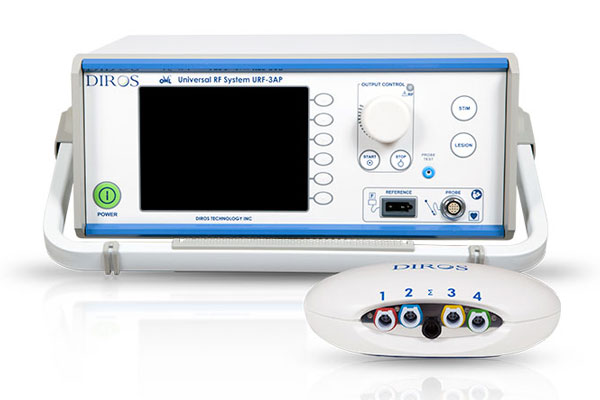
Radio-Frequency Pain Management, or Radio-Frequency Ablation, is a minimally invasive procedure designed to reduce or eliminate certain types of pain by using thermal energy (heat) to disrupt nerve function. Specifically, a radio-frequency current is delivered through a special needle to create a small, precise lesion on the nerve tissue transmitting pain signals. By interrupting or ablating these nerve pathways, the perception of pain can be diminished or completely halted.
How It Works
When you touch something hot or feel a sharp edge, the nerves in your body transmit this sensation to the spinal cord and subsequently to the brain, where the signal is interpreted as pain. In chronic conditions, certain nerves keep sending persistent pain signals even when there is no acute injury. Radio-Frequency Ablation targets the nerves responsible for sending those ongoing pain signals. By applying heat to a small section of these nerves, the signals are reduced or stopped, offering potential relief for several months—or even longer, depending on how the nerves regenerate over time.
Common Conditions Treated
- Chronic Lower Back Pain: Often caused by issues with facet joints or degenerative disc disease.
- Neck Pain: This may stem from whiplash injuries or degenerative changes in the cervical spine.
- Arthritic Pain: Osteoarthritis in the facet joints or sacroiliac joints can generate chronic discomfort.
- Neuralgia: Certain forms of nerve pain, such as that caused by post-spine surgery scarring, may be alleviated.
- Facet Joint Pain: Inflammation or damage within the facet joints can cause local or referred pain, commonly addressed via RFA.
Why Radio-Frequency Ablation is Recommended
Radio-Frequency Ablation is typically considered after conservative treatments—like physiotherapy, chiropractic adjustments, pain medications, and even nerve block injections—fail to deliver adequate relief. A successful trial of a nerve block injection can help identify if the targeted nerve is indeed the source of the pain. If the nerve block reduces pain significantly, then ablating that nerve with radio-frequency energy is likely to produce more sustained relief.
Potential Advantages Over Other Treatments
- Minimally Invasive: No large incisions or extensive cutting of tissue is involved.
- Outpatient Procedure: Most patients return home the same day.
- Lower Reliance on Medication: With pain reduced, many individuals find they need fewer prescription or over-the-counter analgesics.
- Longer-Lasting Relief: Relief can persist for months, as the nerve may take a significant amount of time to regrow.
- Improved Quality of Life: With pain under control, patients often return to hobbies, work, and physical activities much sooner.
Preparing for the Procedure
While Radio-Frequency Ablation is relatively straightforward, proper preparation helps ensure the best outcome:
- Medical Evaluation: Your doctor will assess your medical history, existing conditions, and any medications you are taking. They may request scans (X-rays, MRI, or CT) to identify precise nerve pathways.
- Medication Adjustment: In some cases, you may be advised to discontinue certain blood-thinning medications (e.g., warfarin) or non-steroidal anti-inflammatory drugs (NSAIDs) for a short period before the procedure. Always follow your consultant’s guidance on this, as stopping any medication can come with its own risks.
- Fasting: If sedation is to be used, you might be asked to refrain from eating or drinking for several hours beforehand. However, the sedation typically used in Radio-Frequency Ablation is mild, so fasting may not always be required. Be sure to clarify this detail with your clinical team.
- Arrange Transportation: Even though sedation is light, you should have someone accompany you home after the procedure to ensure your safety.
- Expectations and Questions: Speak with your specialist or pain management consultant about realistic expectations. Ask any questions you might have about risks, recovery times, and post-procedure care.
What to expect on Treatment Day
Stage 1: Positioning and Local Anaesthetic
Upon arriving at the treatment facility, you will be brought into an interventional radiology or pain management suite. You will lie on a table, and the medical team will position you to allow the best access to the area causing discomfort. A local anaesthetic will be injected around the targeted region to minimise pain during the insertion of the needle. While you may feel some pressure, the aim is to keep you as comfortable as possible throughout.
Stage 2: Needle Placement with Imaging Guidance
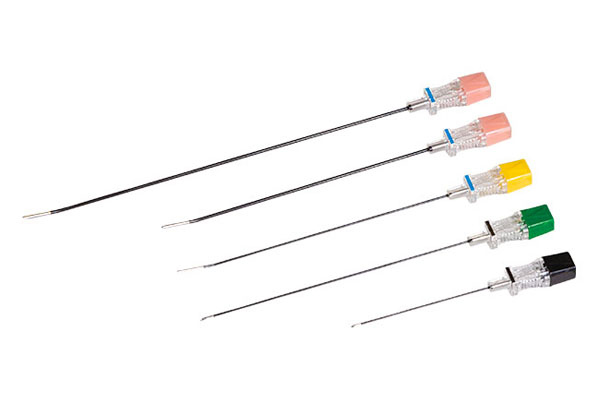
Once the local anaesthetic has taken effect, the doctor will use specialised imaging guidance—often fluoroscopy (a real-time X-ray)—to carefully position a thin, hollow needle into the precise nerve location associated with your pain. If sedation such as Versed (midazolam) or Valium (diazepam) is used, it is usually a low dose, ensuring you remain awake and communicative. Your feedback can be crucial to confirming the correct placement of the needle.
Stage 3: Delivery of Radio-Frequency Current
After confirming the needle placement via imaging, the radio-frequency current is transmitted through the needle’s tip. This current produces controlled heat that ablates (or damages) a small portion of the nerve, approximately the size of a cotton swab tip. This heat disrupts the nerve’s ability to transmit pain signals effectively.
Stage 4: Monitoring and Discharge
Once the targeted nerves have been treated, the medical team will briefly observe you to ensure there are no immediate adverse reactions. Vital signs are checked, and you may rest for a short period in a recovery area. In most cases, you will be discharged after 30 minutes to an hour, provided everything appears normal. You can typically walk out of the facility on your own, although it is prudent to have someone drive you home.
Recovery and Aftercare
Although Radio-Frequency Ablation is minimally invasive, some patients experience mild discomfort or soreness at the needle insertion site for a few days. You might also notice slight swelling or bruising, which can be managed with over-the-counter pain relievers (as advised by your clinician) and gentle application of ice packs.
Returning to Normal Activities
- Immediate Days Post-Procedure: Light activities are usually permissible. However, avoid strenuous exercise or heavy lifting for at least 24 to 48 hours to allow healing.
- Longer-Term Rehabilitation: If part of a broader pain management plan, you may be advised to integrate gentle stretches or physiotherapy exercises once fully comfortable. This can help sustain the benefits of the procedure by strengthening the surrounding muscles and improving range of motion.
Potential Side Effects and Risks
- Temporary Discomfort: Some may feel an ache at the treatment site, which usually subsides quickly.
- Numbness or Tingling: Short-term numbness can occur in the region served by the treated nerve.
- Risk of Infection: As with any procedure involving a needle, there is a small risk of infection at the insertion site, but this is rare.
- Allergic Reactions: Uncommon, but some individuals might react to local anaesthetics or contrast dyes used for imaging.
Potential Outcomes and Success Rates
One of the major benefits of Radio-Frequency Ablation is the potential for sustained pain relief. Many patients report improvement lasting several months, and some experience relief for well over a year. However, results can vary depending on individual factors, including:
- The severity and nature of the underlying condition.
- The specific nerves targeted.
- Each patient’s overall health and lifestyle.
- How quickly the nerve regenerates.
For a good number of patients, RF Pain Management serves as an effective bridge between conservative treatments and more invasive surgical interventions, allowing them to resume daily tasks with less dependence on medication.
Comparisons to Other Pain Management Techniques
- Epidural Steroid Injections: While epidural injections help reduce inflammation around spinal nerves, their effect can be shorter-term compared to RF Ablation.
- Surgery: Surgery is typically more invasive, requiring longer recovery times, and may involve more risk. RF Ablation is often considered when surgery is deemed too high-risk or unnecessary.
- Conventional Nerve Blocks: Nerve blocks involve injecting local anaesthetics or steroids near the nerves. They may offer short-term relief, while RF Ablation aims to produce a longer-lasting effect by disrupting nerve signalling.
- Pulsed Radio Frequency: A variation of RFA that applies short bursts of radio-frequency energy instead of continuous heat. This technique might be used in cases where it is important to avoid higher temperatures but still achieve pain relief.
Lifestyle and Post-Treatment Considerations
Even if RFA successfully reduces or eliminates your pain, it is important to look at the bigger picture of long-term health and wellbeing:
- Exercise and Strengthening: Low-impact exercises (e.g., swimming, yoga, or Pilates) can help maintain and improve muscle tone, which supports your spine and joints.
- Healthy Weight: Carrying excess weight, particularly around the abdomen, can place additional strain on your back and other joints.
- Good Posture: Practising ergonomic principles at work and at home helps prevent future strain or injury.
- Stress Management: Techniques such as mindfulness, meditation, or counselling can complement physical treatments by reducing tension in the body.
- Regular Check-Ups: Keep in touch with your healthcare provider for follow-up visits to monitor the treated area and address any emerging issues promptly.
Conclusion
Radio-Frequency Pain Management, or Radio-Frequency Ablation, offers a promising pathway for individuals plagued by persistent, chronic discomfort in the neck, lower back, or arthritic joints. By using targeted heat to disrupt pain signals, RFA can provide long-lasting relief that enables patients to reduce reliance on medication and return more swiftly to normal daily activities. The procedure is usually brief, with most patients going home the same day, and carries fewer risks compared to more invasive surgical options.
Though RFA is not a universal cure and outcomes vary from person to person, many find it a vital step towards reclaiming their quality of life. If you think this procedure may be right for you, consult a qualified pain management specialist or interventional radiologist to discuss whether Radio-Frequency Ablation suits your specific condition and medical history. With appropriate preparation, accurate targeting, and proper aftercare, Radio-Frequency Pain Management can become a key part of your long-term strategy for overcoming chronic pain.