
What Causes Chronic Pain?

What Causes Chronic Pain?

A Comprehensive Guide to Understanding and Managing Persistent Discomfort

Chronic pain is a multifaceted condition that affects a significant portion of the population, yet its causes and characteristics are often misunderstood. Whereas acute pain generally serves as a warning sign that alerts you to an injury or illness, chronic pain persists beyond the usual healing period and can linger for months or even years. This ongoing discomfort may be rooted in biological factors, injuries, lifestyle habits, or a combination of these elements. In the UK alone, approximately two-fifths of the population experience chronic pain, demonstrating just how widespread and impactful this condition can be. Below, we explore what chronic pain is, the many factors that may contribute to its development, and the range of treatments available to alleviate symptoms and enhance quality of life.

What is Chronic Pain?

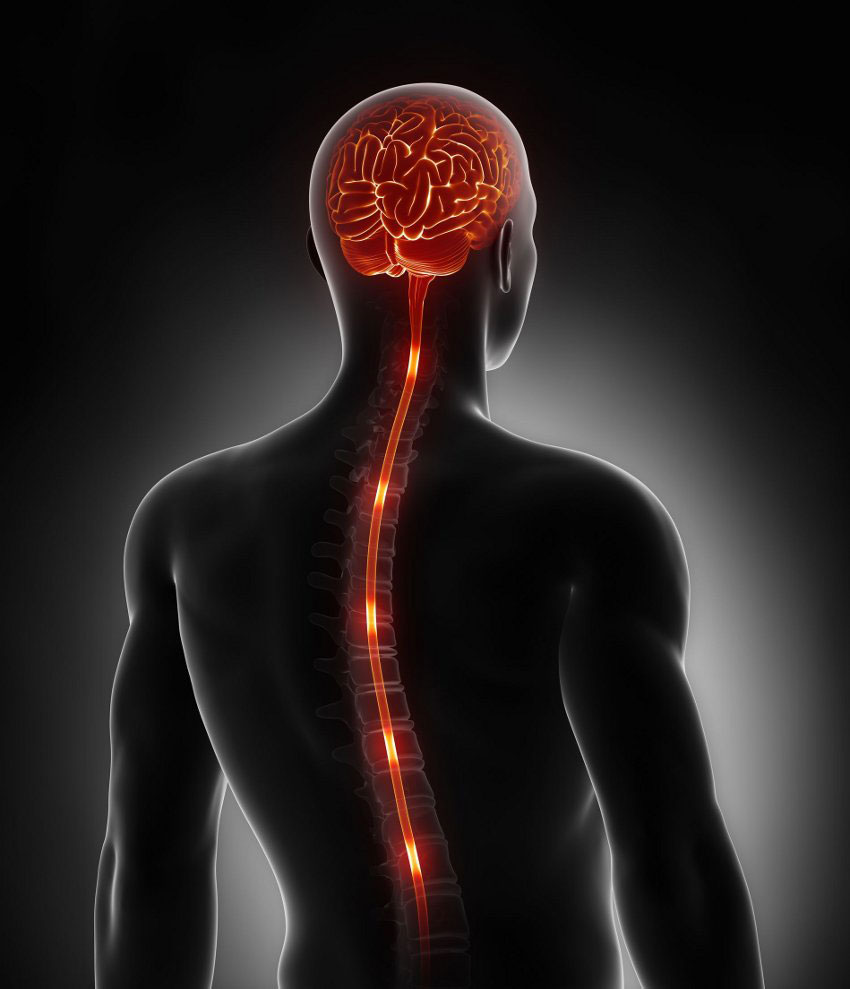
At its core, chronic pain arises when the nervous system becomes overactive, sending an unrelenting stream of nociceptive (pain) signals to the brain. This communication overload can lead to lasting changes in how the brain perceives and processes pain, altering the normal neural response and turning short-term discomfort into a prolonged, sometimes debilitating condition. However, chronic pain is not solely a matter of lingering injury signals. It can be influenced by genetics, emotional health, habits, and other conditions, underscoring how complex and individualised pain can be.

Acute vs. Chronic Pain

Acute Pain

Typically linked to a specific injury or illness, such as a broken bone or surgical incision. Acute pain subsides once the underlying cause has healed.

Chronic Pain

Persists for three months or longer, even after the initial cause is treated or healed. It may also manifest without a clear external injury, arising from changes within the nerves themselves or an ongoing health condition.

Understanding the distinction between these two categories is crucial, as chronic pain often requires different management strategies than short-lived acute discomfort.

Key Factors That Contribute to Chronic Pain

Injuries That Fail to Heal Properly

Sometimes, an injury—such as a severe sprain or fracture—never fully heals, leading to ongoing inflammation or nerve involvement. When normal healing processes are disrupted or incomplete, nerves in the affected area may continue signalling pain long after the tissue damage should have resolved.

Nerve Damage

Nerves can be damaged by trauma, infections, metabolic issues (such as diabetes), or inflammation. Once nerves are compromised, they can become overly sensitive and transmit persistent pain signals to the brain, even without an obvious cause. This type of pain is often referred to as neuropathic pain.

Ageing and Degenerative Conditions

As we get older, natural wear and tear on joints and bones may lead to conditions like osteoarthritis or degenerative disc disease. Cartilage becomes thinner, and the cushioning between bones can erode, resulting in chronic discomfort that is frequently localised in the back, hips, or knees.

Congenital Spinal Conditions

Some individuals are born with spinal abnormalities that place added stress on the back and neck. These congenital issues can increase the likelihood of developing chronic pain later in life, particularly if left undiagnosed or untreated.

Poor Posture and Lifestyle Habits

Modern lifestyles often involve long hours spent sitting at a desk, hunching over smartphones, or lifting heavy objects incorrectly. Repeated strain on the spine and surrounding musculature can lead to chronic back pain. Poor posture can exacerbate pre-existing issues and contribute to muscular imbalances that perpetuate discomfort.

Emotional and Psychological Factors

Stress, anxiety, and depression can all worsen existing pain or contribute to its persistence. Emotional distress may heighten sensitivity to pain signals and interfere with the body’s natural healing processes. Breaking this cycle often requires a comprehensive approach that addresses both mind and body.

Common Manifestations: Back Pain as a Leading Example

Chronic back pain is one of the most prevalent forms of persistent discomfort. It can be located in the upper or lower back, and it arises for numerous reasons, including:

  • Traumatic Injury: Car accidents, sports mishaps, or falls that injure muscles, bones, or nerves in the spine.
  • Poor Posture: Prolonged slouching or failing to properly support the spine can strain muscles and discs.
  • Spinal Degeneration: Age-related changes, such as degenerative disc disease or osteoarthritis of the spine.
  • Congenital Issues: Spina bifida or scoliosis can create chronic stress in the spine.
  • Improper Lifting Techniques: Picking up heavy objects without stabilising the core can cause sudden or gradual injury.

Each of these factors can work individually or in tandem, making it challenging to pinpoint the exact cause. That is why a personalised treatment plan is often essential for effective long-term relief.

Diagnosing Chronic Pain

Because pain is subjective, healthcare professionals rely heavily on a patient’s own report of what they are feeling—where it hurts, how frequently it occurs, and which activities exacerbate or alleviate symptoms. There is no single test that can measure pain with complete accuracy, although diagnostic imaging and other tools (such as MRI scans, X-rays, blood tests, or nerve conduction studies) may be used to identify underlying causes like inflammation, fractures, or neurological issues.

During the diagnosis process, it is vital to provide as much detail as possible to your healthcare professional. Key descriptors might include:

  • Quality of Pain: Is it dull, sharp, throbbing, burning, or tingling?
  • Frequency: Is the discomfort constant, or does it come and go?
  • Location: Does it stay in one spot, or does it radiate into nearby areas (for example, from the lower back into the legs)?
  • Intensity: On a scale of 0 to 10, how severe does the pain feel at its worst and at its least?
  • Aggravating and Alleviating Factors: Do certain activities trigger or worsen the pain? Does rest or heat help?

Traditional Treatment Options

1. Medications

A broad spectrum of medications can help manage chronic pain, though the best choice depends on the individual and the nature of their discomfort. Common types include:

  • Anti-Inflammatory Drugs: Non-steroidal anti-inflammatory drugs (NSAIDs) reduce inflammation that can cause or worsen pain.
  • Opioids: Potent painkillers that act on the nervous system to lessen the perception of pain. They can be effective but also carry a risk of dependence and side effects.
  • Topical Treatments: Creams, gels, or patches that deliver pain relief directly to the affected area, bypassing the systemic side effects sometimes associated with oral medications.

2. Physical Therapy and Exercise

Exercise programmes, under the guidance of a trained physiotherapist, can strengthen muscles, improve flexibility, and help correct postural imbalances that contribute to chronic pain. Regular physical activity can also promote the release of endorphins, the body’s natural painkillers.

3. Acupuncture and Massage

Acupuncture: Involves the insertion of fine needles along specific meridians of the body, aiming to rebalance the flow of energy (Qi). Some individuals report significant pain relief following regular acupuncture sessions.
Massage Therapy: Helps reduce muscle tension, improve circulation, and potentially lower stress levels. A skilled massage therapist can target specific areas contributing to chronic discomfort.

4. TENS (Transcutaneous Electrical Nerve Stimulation) Machines

TENS machines deliver mild electrical impulses through electrodes attached to the skin. These impulses can interfere with pain signals and encourage the body to release endorphins. Many people find TENS beneficial as part of a broader pain management strategy.

5. Lifestyle Adjustments

Adjusting daily habits can be immensely helpful in managing chronic pain. Maintaining a healthy weight, adopting good posture, and ensuring adequate rest are foundational elements of pain control. Additionally, stress-management techniques—such as mindfulness, meditation, or counselling—can alleviate the emotional burdens that often exacerbate physical pain.

Interventional Techniques

If medication and conservative approaches fail to provide sufficient relief, a range of minimally invasive procedures can be considered. One commonly used method is Trigger Point Injections, where an anaesthetic and sometimes a steroid is injected into painful muscles or tissues. The goal is to relax constricted areas, reduce inflammation, and interrupt pain signals.

These interventions can be an effective next step for patients whose pain remains debilitating despite initial treatments. However, they are generally recommended only after other methods, such as physiotherapy and appropriate medication, have been tried.

The Role of Neuromodulation

When traditional therapies and minimally invasive procedures do not produce the desired level of relief, a more advanced option is Neuromodulation, specifically Spinal Cord Stimulation (SCS). This approach involves a short, minimally invasive surgical procedure to implant a small device beneath the skin, usually in the lower back area. The device sends electrical impulses to specific nerves in the spinal cord, effectively disrupting the transmission of pain signals to the brain.

Benefits of Spinal Cord Stimulation

  • Targeted Pain Relief: Electrical signals can be directed precisely where pain signals originate, minimising unwanted side effects.
  • Speedy Recovery: Many patients experience significant relief quickly and can often go home the same day.
  • Potentially Reduced Medication Reliance: With SCS in place, some individuals find they need fewer painkillers over time.

Because SCS is more invasive than a standard injection or physiotherapy, it is usually considered after other methods have been fully explored. Nonetheless, many patients with persistent, treatment-resistant pain report life-changing improvements in their comfort and mobility.

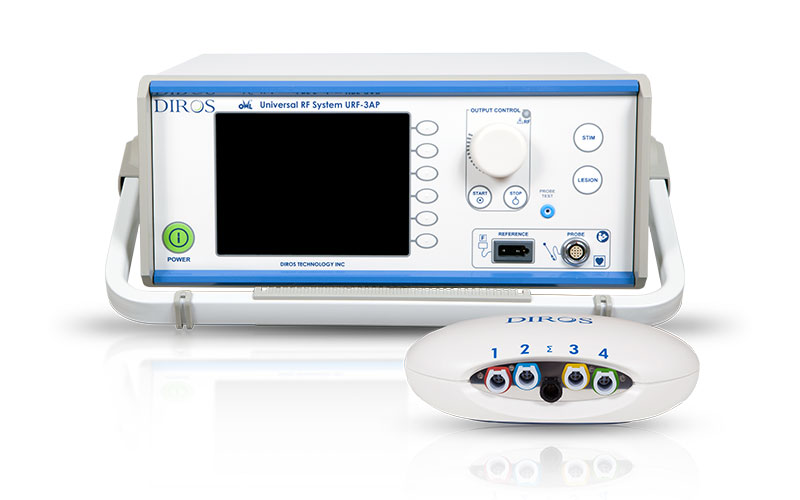
Diros Owl - Pain Management Product

Diros Owl RF

Radio-frequency lesion generator targeting painful nerves.

View Product

Chronic Pain Relief with Innovative Products

While medications, physical therapy, and interventions form the backbone of chronic pain management, advanced products such as neuromodulation devices can provide significant relief for people whose pain is stubbornly unresponsive to other methods. Polar Medical, for instance, supplies a variety of neuromodulation products designed to address pain at its source by disrupting the electrical signals that carry pain impulses to the brain.

One example is the Diros Owl RF system, which harnesses radio-frequency lesion generation to target nerves that have been identified as contributors to chronic pain. These innovative solutions underscore the rapid pace of progress in the field, offering hope to those who previously struggled to find effective, long-term relief.

Combining Therapies for Best Results

Chronic pain rarely has a single cause, and it often requires a multifaceted strategy. A combination of exercise, medication, physical therapy, and psychological support is often most beneficial. Additionally, advanced interventions such as neuromodulation can be integrated into a comprehensive plan when standard treatments prove insufficient. The key to success is collaboration: patients, healthcare professionals, and specialists working together to adapt treatments as needs change over time.

Seeking Professional Guidance

Because chronic pain is a highly individualised experience, it is crucial to speak with your GP or a specialised pain management clinic if you are experiencing ongoing discomfort. Early intervention can stop pain from becoming entrenched and may prevent the development of related issues like depression, anxiety, or reduced mobility. Together, you and your healthcare team can create a tailored plan that takes into account the type, severity, and underlying cause of your pain.

The Importance of Ongoing Communication

  • Keep a pain diary to track changes in intensity, location, or frequency.
  • Inform your healthcare professional of any new symptoms or side effects from treatments.
  • Seek referrals to specialists if the pain remains debilitating or unexplained.

Regular check-ups and open communication ensure that your treatment plan is adjusted promptly if your symptoms evolve.

Conclusion

Chronic pain is a complex, often life-altering condition caused by ongoing nerve signals that outlast their original purpose. This prolonged discomfort can arise from an array of factors—including injuries, nerve damage, degenerative diseases, congenital issues, and poor posture—making a personalised approach to diagnosis and treatment essential. From traditional methods like medication, exercise, and massage to advanced techniques such as trigger point injections and neuromodulation, there are numerous ways to manage chronic pain and reclaim a fulfilling, active life.

If you or someone you care about is living with persistent pain, do not hesitate to consult a healthcare professional for guidance. Early intervention and a tailored treatment plan can be instrumental in reducing pain and improving overall well-being. Whether your journey involves exercise, medication, interventional procedures, neuromodulation, or a combination of all, remember that effective help is available—and with the right support, chronic pain does not have to dictate the quality of your life.

Further questions about our pain relief products?

Contact Us
2025-05-02T09:34:06+00:00