What is Chronic Pain?
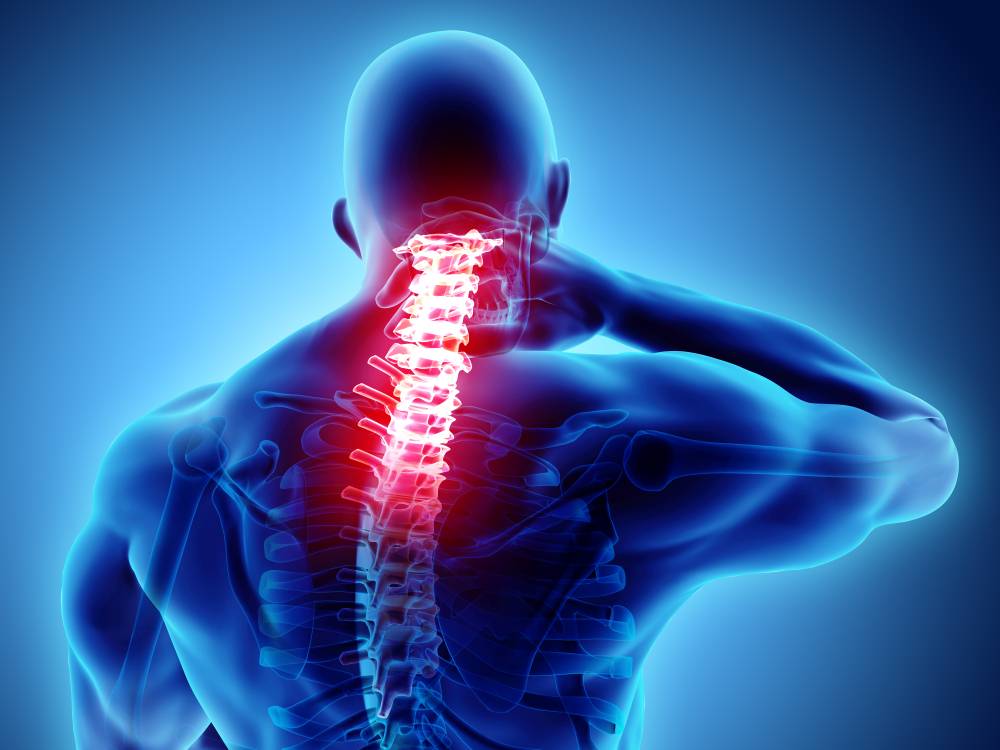
Chronic pain is more than an extended episode of discomfort—it is a complex health condition in its own right. Clinicians describe pain as “chronic” when it persists for at least 12 weeks, yet many people live with persistent pain for months or years. Unlike acute pain, which acts as an immediate warning signal for injury, chronic pain often lingers long after tissues have healed or may arise without any identifiable trigger. Studies suggest that nearly one in five adults worldwide experience continuous or recurrent pain serious enough to limit work and social activities.
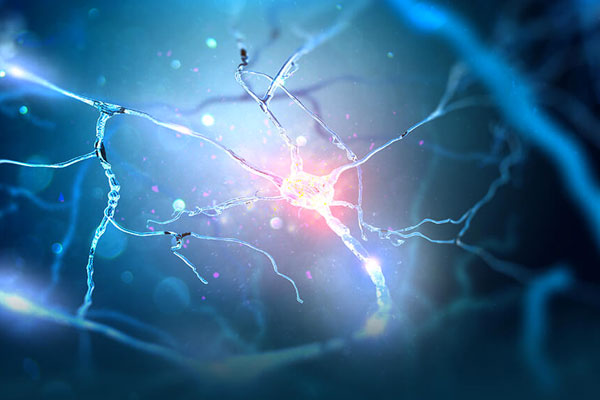
Persistent pain can alter the nervous system, making nerves and the spinal cord hypersensitive; this phenomenon, called central sensitisation, helps explain why normal touch or temperature can feel excruciating. Beyond the physical sensations, chronic pain frequently co-exists with fatigue, sleep disruption, anxiety, and depression, creating a vicious feedback loop that amplifies suffering. Because every individual’s biological, psychological, and social circumstances differ, effective management must be personalised, multidimensional, and regularly reviewed. With thoughtful assessment and compassionate, evidence-based care, lasting relief is achievable.

What Are the Best Treatments for Chronic Pain?
Because chronic pain is multidimensional, no single therapy works for everyone. The most successful plans are typically “multimodal”—they blend interventions that target the body, the nervous system, and the mind. Broadly, strategies fall into two categories: holistic (complementary or lifestyle-based) and medical (pharmacological or procedural).
Evidence now supports integrating the two. Exercise and mindfulness can modulate pain pathways and improve mood, while appropriate medication can suppress inflammation or interrupt errant signals long enough for rehabilitation to succeed. Importantly, clinicians emphasise active self-management; patients who set realistic goals, track progress, and adjust activities gradually regain function faster than those who rely solely on passive treatments.
Access to a multidisciplinary team—often including physiotherapists, psychologists, pharmacists, pain specialists, and surgeons—consistently improves outcomes and reduces reliance on opioids. Coordinated care and patient education remain the cornerstones of sustainable pain control.
Holistic Treatments for Chronic Pain
Holistic or complementary approaches acknowledge that pain is influenced by physical structures, mental state, lifestyle, and even social context. Rather than masking symptoms, they aim to recalibrate how the body processes pain and to bolster overall resilience. Many interventions have a long history in traditional medicine; modern research is uncovering their biochemical and neurological mechanisms.
Key benefits include minimal side-effects, patient empowerment, and compatibility with conventional care. For example, a person might combine gentle yoga with prescribed anti-inflammatories and cognitive-behavioural therapy to achieve synergy. NICE now encourages clinicians to offer non-pharmacological options early, especially where long-term medication could cause harm. While results vary between individuals, most holistic methods carry little risk and can be adjusted over time, making them attractive first-line or adjunctive choices. Empowering patients to explore and combine these therapies fosters a sense of agency that itself can diminish pain intensity.

Acupuncture
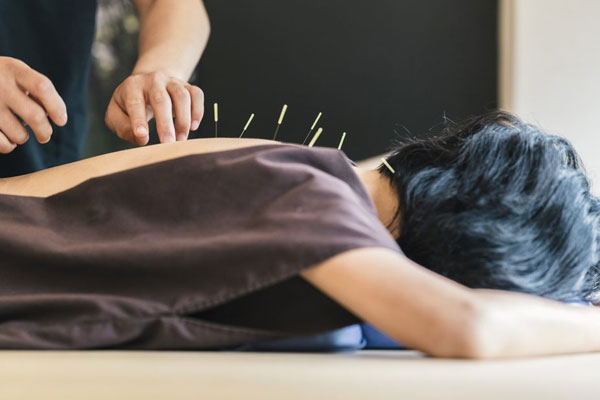
Rooted in Traditional Chinese Medicine yet increasingly validated by Western trials, acupuncture involves inserting hair-fine needles at strategic points. Functional MRI studies show needling can dampen activity in pain-processing brain regions and boost natural endorphins. Regular sessions may also modulate immune function, lowering pro-inflammatory cytokines that perpetuate pain. Because the technique is drug-free, it is suitable alongside medication or for people who cannot tolerate pills.

Chiropractic Manipulation
Chiropractors restore alignment and mobility to the spine and peripheral joints through gentle adjustments, traction, and soft-tissue work. These manoeuvres relieve mechanical sources of pain—facet irritation, disc pressure, nerve compression—and trigger analgesic reflexes in the central nervous system. Evidence is strongest for lower-back pain, neck pain, and some headaches. Post-treatment exercises reinforce corrected segments, reducing relapse risk.

Exercise
Targeted physical activity consistently improves pain, mood, and mobility across conditions from arthritis to neuropathy. Low-impact aerobics increase circulation, lubricate joints, and release endorphins; resistance work strengthens stabilising muscles. Programmes should start low and progress slowly, matching symptom tolerance. Expert guidance ensures movements remain safe and progressively challenging.

Hypnosis
Clinical hypnosis places patients in a focused, relaxed state where suggestions (e.g., re-labelling pain as warmth) are more readily accepted. Neuro-imaging shows hypnotic analgesia reduces activation in the anterior cingulate cortex—the brain’s “suffering centre.” Sessions teach self-hypnosis scripts for flare-ups. Because it requires no equipment and has no drug side-effects, hypnosis is portable and versatile.

Massage
Manipulating soft tissues increases blood and lymph flow, flushes metabolic waste, and releases muscle knots generating nociceptive signals. Styles range from Swedish strokes to deep-tissue myofascial release. Massage also activates the parasympathetic system, lowering cortisol and heart rate. Consistent sessions encourage body awareness, helping patients spot early flare-up signs. As part of a multidisciplinary plan, massage amplifies the benefits of physiotherapy and exercise.

Physiotherapy
Physiotherapists blend manual therapy, exercise, electro-modalities, and education to restore function. They correct gait abnormalities, advise on ergonomic aids, and retrain posture to reduce tissue strain. Modalities such as ultrasound, TENS, and dry needling may accelerate healing. Over time, the physiotherapist shifts from hands-on treatment to coaching, ensuring patients master self-management skills essential for long-term success.

Vitamins & Supplements
Targeted micronutrients modulate inflammation and nerve health. Omega-3s yield less-inflammatory eicosanoids; vitamin D deficiency is linked to musculoskeletal pain; magnesium eases muscle tension; alpha-lipoic acid benefits diabetic neuropathy. Supplements should complement—never replace—balanced nutrition. Interactions with medication must be checked and doses kept within clinical guidelines.

Therapy
Psychological therapies—CBT, ACT, mindfulness—tackle the emotional and cognitive dimensions of pain. By challenging catastrophic thoughts and teaching pacing, they reduce distress that amplifies pain signals. Sessions may include relaxation training, goal-setting, or graded exposure to feared movements. Digital platforms extend access, and measurable gains in pain-related disability often emerge within two months.
Medical Treatments for Chronic Pain
Medical interventions provide rapid symptom relief or target specific physiological processes driving pain. They are invaluable when discomfort is severe, debilitating, or unresponsive to holistic measures. Careful selection and ongoing review are essential to balance benefits against potential side-effects, dependency, or procedural risks.
The backbone of pharmacological care remains the WHO analgesic ladder, progressing from non-opioids to opioids and interventional procedures as needed. Yet contemporary guidelines stress using the lowest effective dose for the shortest possible time, always paired with non-drug strategies. High-resolution imaging now allows millimetre-level accuracy for injections, while pharmacogenomic testing guides safer prescribing. Shared decision-making ensures patients understand goals, risks, and time-frames. When combined thoughtfully with holistic methods, medical treatments can shorten rehabilitation and prevent chronic pain from becoming a permanent disability.
| Oral Medications | NSAIDs, paracetamol, and—where unavoidable—short-course opioids act systemically to reduce inflammation or blunt pain. Dosing follows a “start low, go slow” principle with gastro-protective measures and regular reviews to avoid gastrointestinal, renal, or dependency complications. Alternative delivery routes such as dispersible tablets may minimise harm. |
| Antidepressants | Tricyclics (amitriptyline) and SNRIs (duloxetine) enhance descending pain-inhibitory pathways by boosting serotonin and norepinephrine. Taken daily, independent of flares, they often improve mood and sleep. Side-effects like dry mouth or dizziness usually fade after two weeks and can be managed with dose titration. |
| Topical Medications | Creams and patches containing lidocaine, capsaicin, or NSAIDs deliver local analgesia with minimal systemic exposure—ideal for neuropathic or arthritic pain. They can layer with other treatments. Users should wash hands post-application and avoid mucous membranes. |
| Interventional Techniques | Image-guided injections place corticosteroids or anaesthetics around facet joints, epidural spaces, or trigger points, rapidly easing inflammation and pinpointing pain generators. Benefits may last weeks or months, creating a window to intensify rehab. Repeat injections occur only if clear gains are documented. |
| Nerve Block | Targeted anaesthetic injection to a specific nerve or plexus halts pain transmission for hours to months. Diagnostic blocks also predict success of surgical ablation or neuromodulation and can be repeated safely. |
| TENS | Portable devices send mild currents through skin electrodes, stimulating non-painful A-beta fibres that compete with nociceptive messages in the spinal cord. Discreet on-demand use at work or while travelling empowers patients to manage flare-ups autonomously. |
| Neuromodulation Technology | Implantable systems such as spinal cord or peripheral nerve stimulators mask pain signals with electrical pulses. Modern devices are MRI-compatible and app-programmable. Surgery, consent, and insurance approval are essential, with protocols carefully overseen. |
Neuromodulation Treatment for Chronic Pain
Neuromodulation bridges the gap between pharmacology and surgery by directly altering neural circuits that convey or interpret pain, offering durable relief for failed back surgery syndrome, complex regional pain syndrome, and peripheral neuropathies.
Step 1 – Trial: Under local anaesthetic, slender leads are placed near the spinal cord or target nerve and connected to an external generator. If pain relief exceeds 50 % and daily function improves, patients proceed to permanent implantation.
Step 2 – Implantation: A pulse generator—about the size of a matchbox—is inserted beneath the skin and connected to the trial leads. Modern systems feature rechargeable or long-life batteries, closed-loop feedback, and smartphone apps for intuitive control. High-frequency and burst waveforms can deliver analgesia without tingling paraesthesia.
More than two-thirds of well-selected patients maintain meaningful relief at five-year follow-up, alongside better sleep, mood, and activity levels. Closed-loop devices adapt output as posture changes, maintaining coverage across daily movements. Clinicians can toggle between customised programmes—for instance, low-frequency tonic stimulation for desk work and high-frequency paraesthesia-free settings for sleep—allowing users to fine-tune relief without clinic visits.
Economically, neuromodulation is cost-effective versus repeat surgery or lifelong opioid therapy within five years, thanks to fewer hospital admissions and greater work productivity. Complications such as lead migration, infection, or hardware malfunction are uncommon and usually correctable; importantly, the treatment is reversible, preserving future surgical options.
Successful programmes rely on meticulous patient selection, realistic expectation setting, and coordinated aftercare blending device programming with physiotherapy and psychological support. Recovery is generally swift, with most people resuming light activities within a fortnight. As research advances, hybrid approaches pairing stimulation with targeted drug delivery or regenerative biologics promise even more comprehensive pain control.


Diros Owl RF Lesion Generator
Polar Medical proudly supplies the Diros Owl®, a state-of-the-art radiofrequency (RF) lesion generator acclaimed for its precision and versatility worldwide. Unlike conventional thermal ablation units, the Owl delivers continuous, pulsed, and cooled RF currents, enabling clinicians to tailor lesion size and shape to each nerve target. Its intuitive touchscreen stores custom presets, streamlining workflow in busy theatres.
During a procedure, insulated needles transmit RF energy to nociceptive fibres while sparing adjacent motor or sensory nerves, making it ideal for facet joint denervation, trigeminal neuralgia, and sacroiliac joint pain. Integrated impedance monitoring alerts the operator to suboptimal contact, enhancing safety. The Owl pairs seamlessly with fluoroscopy or ultrasound guidance and supports temperature-controlled lesions up to 90 °C for reliable outcomes.
After treatment, patients often experience relief lasting six months to two years, delaying or negating the need for surgical fusion or escalating opioids. Polar Medical provides comprehensive training, demo units, and technical support so every clinic maximises the device’s capabilities. By incorporating the Diros Owl into a wider neuromodulation portfolio, practitioners can offer a graduated approach—from diagnostic blocks to reversible stimulation to definitive RF lesioning—delivering personalised, evidence-led care for people living with chronic pain.